

The Martin Da Silva Saavedra Amazon Wildlife Conservation and Rescue Center
Protecting Wildlife • Educating Communities • Preserving the Future
Nuevo Junin Village • Loreto Region • Peruvian Amazon
Current Project
Make a Donation
Our Programs
Project Proposal:
The Nevada Building Hope Foundation, in partnership with Curassow Amazon Lodge, Amazon Jungle Expeditions Lodge, Junín Village, ARCTT (Área de Conservación Regional Comunal Tamshiyacu Tahuayo) and RAREC (Rainforest Awareness, Rescue, and Education Center), is developing an exciting new initiative to establish an Animal Rescue, Rehabilitation, and Conservation Center in Nuevo Junín Village, Peru.
This Center will serve as both a rescue and rehabilitation facility for injured, orphaned, displaced, and endangered wildlife, while also providing a permanent educational center dedicated to protecting vulnerable species, educating local communities and visitors about the importance of wildlife conservation, and encourage sustainable stewardship of one of the world’s most biodiverse ecosystems.
The Deficiency Without This Project
Ayacucho, San Juan de Yanayacu and Junin Villages are settled along the Rio Yanayacu River are home to countless animals. Many of these animals are threatened or endangered. While the community works hard to protect wildlife, its ability to act is limited without adequate facilities. Injured wildlife needs a place to recover; animals from other rescue centers, such as RAREC, need a safe place to return to a protected wildlife area. This project aims to become the missing link in our area. Our goal is to help Peru and ARCTT achieve its wildlife protection and community engagement goals.
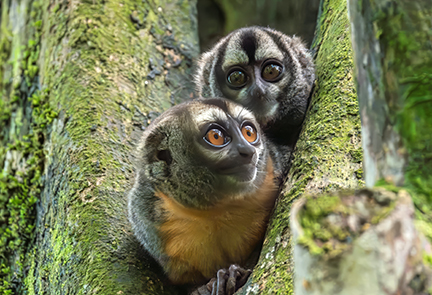
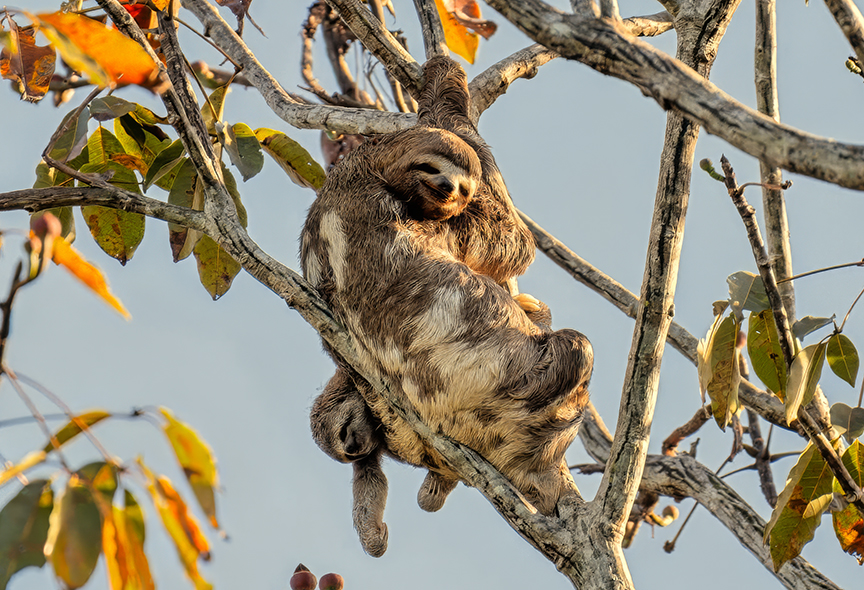
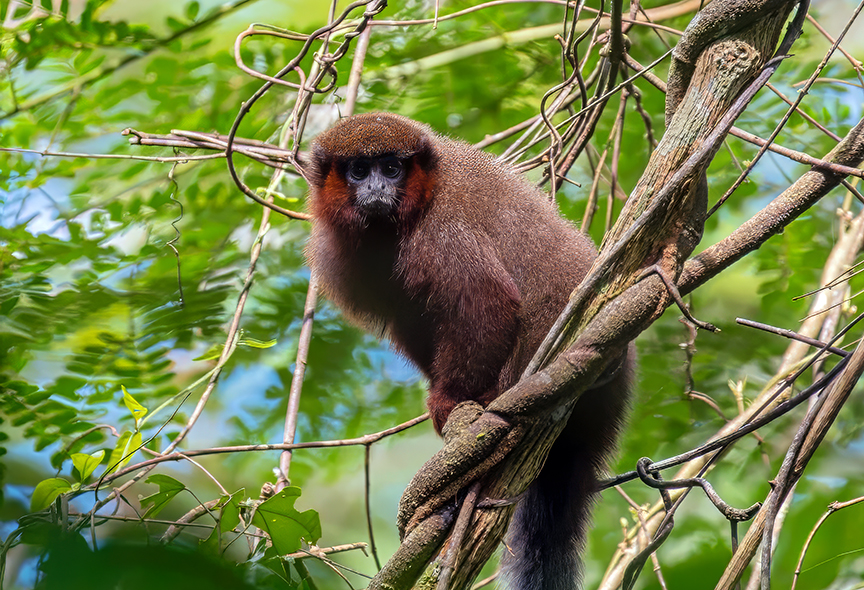
Photography by Martin Da Silva Saavedra
Project Objectives
1. Rescue and Rehabilitation: Provide shelter, care, and treatment to at-risk wildlife.
2. Conservation of Endangered Species: Prioritize the treatment and protection of endangered species. When these animals are found, RAREC will be contacted to help design specialized care plans.
3. Veterinary Care for Domestic Animals: Establish a pantry stocked with dry dog food and basic medical supplies, including vaccines, to serve the local dog and cat population. Our plan is to bring veterinarians and veterinary students from Peru and around the world to the Center to perform routine spay-and-neuter procedures on pets to control pet populations.
4. Emergency Care: Mr. Abran Panduro, the mayor of Junin, will be trained to be the first responder when an injured animal arrives in the community. Mr. Panduro will be the first point of contact. He will then contact our partners at Curassow Amazon Lodge or RAREC. We are honored to work directly with ACRTT, which is managed and funded by the Regional Government of Loreto, Peru.
5. Community Education: Provide educational opportunities for residents and tourists to increase awareness about wildlife conservation and responsible animal care.
Strategic Partnerships
• RAREC (Rainforest Awareness, Rescue, and Education Center): Will provide expert support in the care and rehabilitation of wildlife, especially endangered species.
• Curassow Amazon Lodge and its staff will be our liaison for this center and the direct contact with RAREC to implement appropriate care plans.
• Local Communities: The involvement of community leaders and families will be critical to promote respect for wildlife, provide education, and encourage participation in conservation efforts.
Facilities and Services
• Animal enclosures designed according to international animal welfare standards
• Quarantine and rehabilitation areas
• A food pantry with food, medicine, and vaccines for domestic animals
• Educational signage and informational materials for visitors and locals
Conclusion
This initiative supports Peru’s national goals for biodiversity protection, animal welfare, and sustainable development in the Amazon. It addresses urgent issues such as injuries and displacement, while supporting the care of domestic animals in neglected areas.
This is a much-needed project. Our communities are located on the outskirts of the Tamshiyacu Tahuayo Regional Conservation Area, a region renowned for its abundant wildlife and exceptionally high biodiversity. This area is home to hundreds of species of mammals, primates, birds, fish, and other wildlife. The people of the area are deeply committed to the conservation and protection of this vital ecological reserve.


